New floors change a room faster than almost anything else. They also show every shortcut taken underneath them. A floor laid over a dip or a soft spot will squeak, separate or crack, no matter how good the material is.
Signs it’s time
- Worn, scratched or stained floors that no amount of cleaning helps.
- Squeaks, bounce or soft spots, which usually mean the subfloor needs attention.
- Gaps between boards or cracked tiles that keep getting worse.
- Mismatched rooms from past updates done piece by piece.
Choosing the right floor
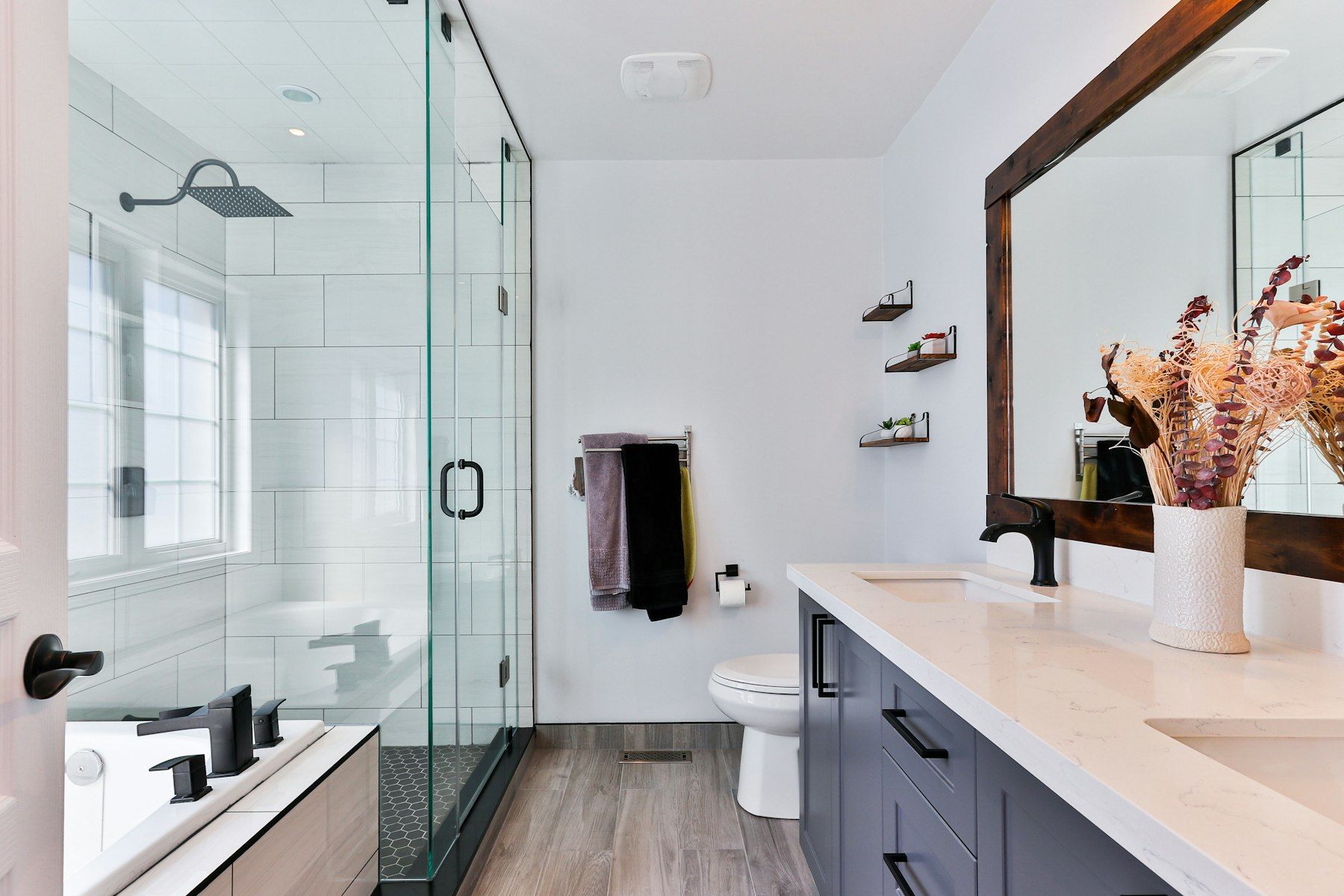
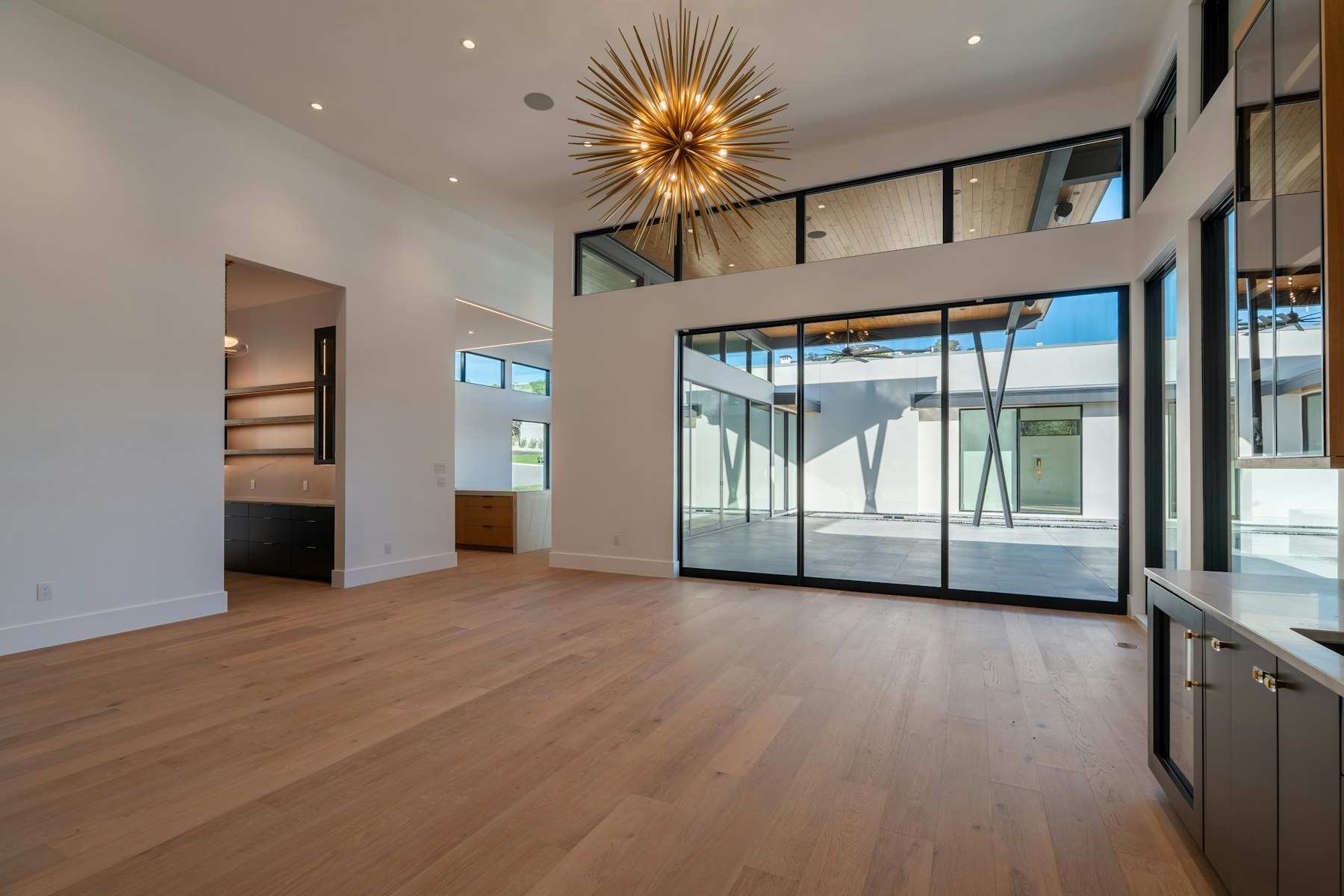
Every material has its place. Hardwood is warm and can be sanded and refinished later. Luxury vinyl plank looks like wood, shrugs off water and is comfortable underfoot, which makes it a good fit for kitchens and busy family rooms. Laminate is budget-friendly for living areas. Tile is the go-to for bathrooms, laundry rooms and entries.
What the work involves
The part you won’t see is the part that matters most. After the old floor comes up, we check the subfloor for damage and flatness. Low spots get leveled, loose areas get fastened, and damaged sections get replaced. Then the new floor goes in, with transitions between rooms and baseboards finished cleanly.
What affects the price
Material choice and square footage are the main drivers. Subfloor repairs, stairs and removing old tile add time. We’ll show you the costs separately so you can decide.
When to wait
If you’re planning a kitchen or bathroom remodel soon, it’s often smarter to do the floors as part of that project, so cabinets and fixtures sit correctly on the new floor.